
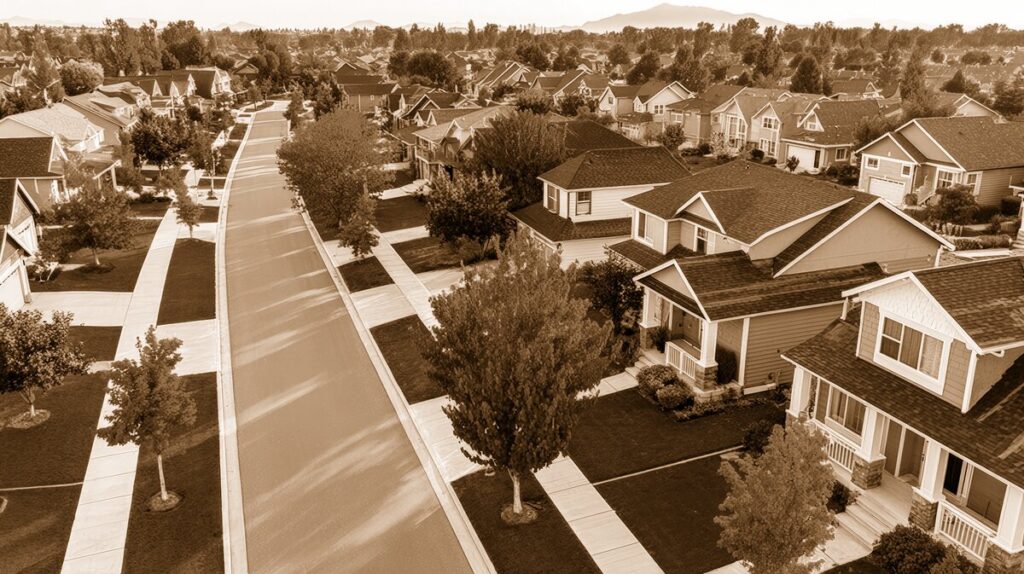
Nestled just northeast of downtown Dallas, the M Streets neighborhood stands as an enduring testament to the city’s vibrant past and dynamic present. With tree-lined avenues, beautifully preserved Tudor homes, and a tightly-knit community, the M Streets (officially known as Greenland Hills and part of the larger Lower Greenville area) weave together almost a century of stories, architecture, and culture. For residents and visitors alike, the M Streets offer more than just picturesque surroundings—they’re a living archive of Dallas history.
Origins: Planting Roots in the 1920s
The story of the M Streets began in the 1920s, a formative period of growth for Dallas as new neighborhoods sprouted up to accommodate the surging population. Real estate developer Frank E. Hartung envisioned a residential haven that bucked the Victorian trends of the time, instead favoring the charm and elegance of English Tudor architecture. As a result, when development began in 1923 under the Greenland Hills Company, rows of brick and stone cottages quickly took shape—instantly setting this area apart from its peers.
The name “M Streets” emerged naturally. So many of the streets—McCommas, Mercedes, Monticello, Morningside, Merrimac, and others—began with the letter M. Locals took to the moniker with a sense of pride and identity, and it stuck.
How the Neighborhood Got Its Name
While “M Streets” is the popular nickname, the area’s official name is Greenland Hills. Still, the pattern was too charming to ignore. Some say the developer had a fondness for alliteration, while others cite an old land plat that simply found “M” streets easier to organize. Regardless of the origin, those famous “M” avenues have lent cohesion and identity for generations.
Walk north or south along Greenville Avenue, and you’ll see the street signs: Monticello Avenue, Mercedes Avenue, Merrimac Avenue, McCommas Boulevard, and more. Over time, the name has become synonymous with architectural beauty and neighborly warmth—a rare combination in a bustling city.
Key Historical Milestones
Several events and turning points have shaped the M Streets, giving it an enduring character:
- 1920s-1930s: The earliest homes spring up featuring Tudor, Craftsman, and a handful of Prairie-style influences. Many houses still boast original hardwood floors, stained glass, and steeply pitched gabled roofs.
- 1940s-1950s: Despite World War II, the neighborhood maintained its architectural integrity. Postwar prosperity brought modest updates and new families seeking community stability.
- 1978: The Greenland Hills Historic District was formed to protect and preserve the area’s distinct Tudor homes.
- 1997: The M Streets Conservation District was created, setting strict guidelines for remodeling and new construction—ensuring the unique character of the neighborhood would never be lost to generic development.
Notable Landmarks and Buildings
The M Streets are peppered with charming and historic spots:
- Stonewall Jackson Elementary (now Mockingbird Elementary): Established in 1939 on Mockingbird Lane, this campus has educated generations of local children and acts as a community hub.
- Skillman Church of Christ: Serving the neighborhood since 1943, this stately building recalls mid-century religious architecture and community-building.
- Glencoe Park: Just north of Monticello Avenue, Glencoe Park is a green oasis offering running trails, sports fields, and views that harken back to early Dallas, with Turtle Creek meandering nearby.
- Tudor Cottages along Mercedes Avenue: Walking down this street, you’ll see the original vision of the 1920s come alive—quaint, well-kept Tudor homes that epitomize the neighborhood’s early days.
Neighborhood Evolution: Through the Decades
Adaptability is at the core of M Streets’ longevity. Through the Great Depression, World War II, economic booms and slumps, the neighborhood retained its charm and desirability. Beginning in the 1970s, renewed urban interest led to revitalization—and a renewed appreciation of the area’s unique architectural stock.
By the 1990s and early 2000s, young professionals and families returned, attracted by excellent schools, walkability, and quick access to Lower Greenville nightlife as well as White Rock Lake. Today, M Streets is prized for its balance: historic homes are lovingly restored and updated with modern amenities inside, but exteriors remain true to their roots.
Neighbors still gather for block parties and seasonal events; you’ll find porch lights on and families walking dogs along the shady sidewalks. Each spring, the azaleas and crepe myrtles bloom, turning the neighborhood into a watercolor painting of pinks and purples.
Institutions That Anchor the Community
Aside from the architectural treasures, several local traditions and institutions help bind the M Streets community:
- Mockingbird Elementary Carnival: An annual neighborhood event that brings families out for games, local food, and school spirit.
- Greenville Avenue St. Patrick’s Day Parade: While Lower Greenville draws the biggest crowds, M Streets residents enjoy the festivities from their porches or stroll over to the fun.
- Neighborhood Association: The Greenland Hills Neighborhood Association and other groups work tirelessly to address city issues, ensure historic protections, and foster connections between neighbors.
A Neighborhood with Lasting Heart
What makes the M Streets truly special isn’t just its historic homes or leafy streets—it’s the feeling of belonging. This is a place where generations have watched their children learn to ride bikes, where neighbors know one another by name, and where Dallas’s past and present exist side-by-side.
Whether you’re admiring the craftsmanship of a 1926 Tudor on Monticello Avenue, chatting with friends at Glencoe Park, or simply enjoying the gentle hush of a shaded evening walk, the M Streets draw you in. It’s a corner of Dallas where history is cherished and community is more than just a word—it’s a way of life.